Hi there!
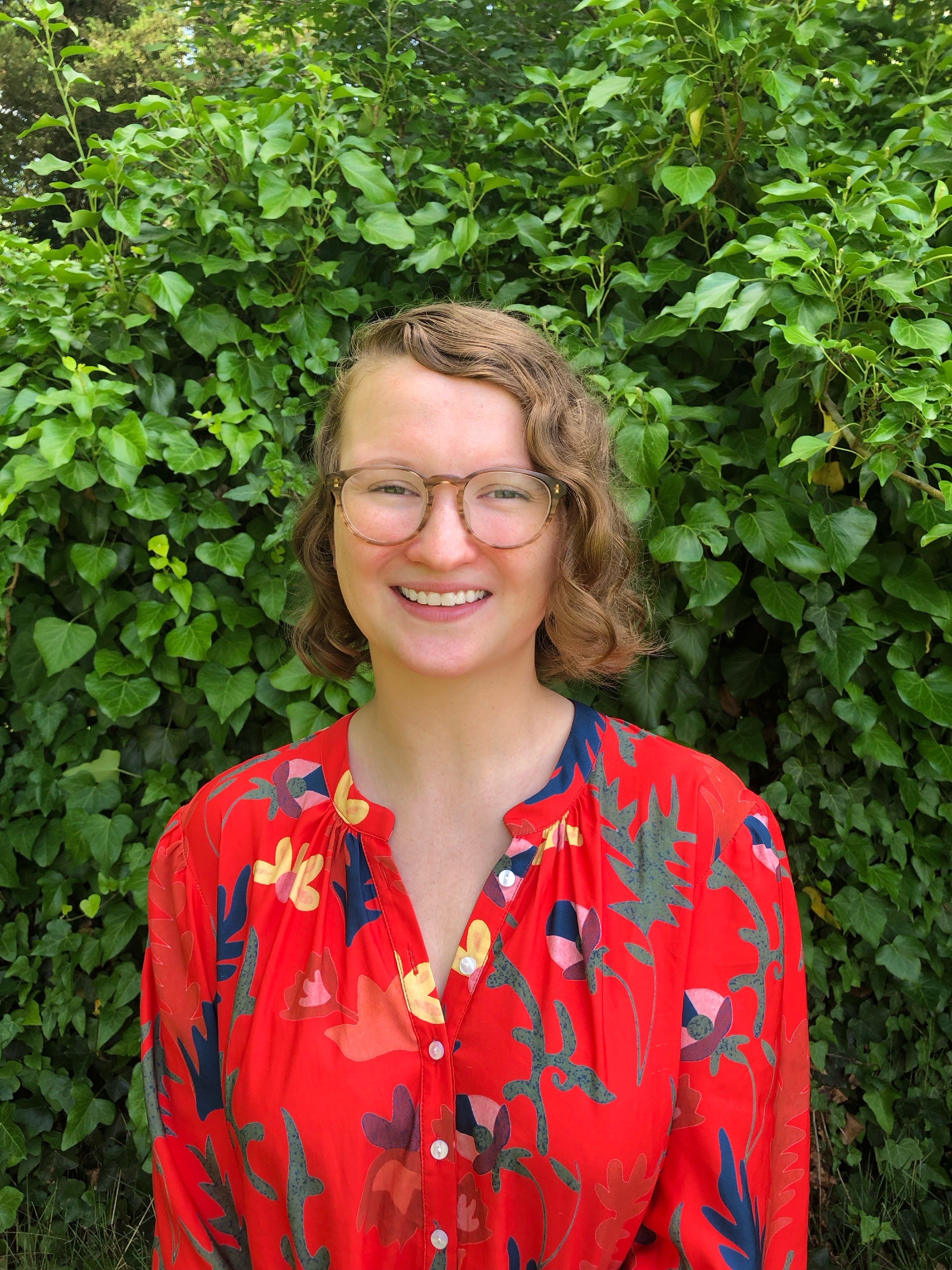
My name is Megan (she/her)! I am a licensed psychologist and a member of PSYPACT, which means I can see clients in most US states.
I am super passionate about supporting queer millennial women who are navigating all of the stress of life (dysfunctional family dynamics, past trauma affecting your emotions and relationships now, unpacking your sexual/gender identity) alongside your own reactions to that stress (depression, anxiety, emotional meltdowns or blow-ups).
Therapy with me looks like taking a look at what’s on your plate and analyzing the current and historic reasons why this factor is particularly stressful for you. We’ll work on specific coping strategies that link directly to the experiences that feel the most overwhelming, while keeping in mind what has and hasn’t worked for you in the past. We’ll also take a hard look at the messages you’re receiving about your stress, “good” and “bad” emotions, focus/motivation, and your relationships with yourself, your body, and others.
I always aim to provide LGBTQIA+ affirmative care within a
sex-positive, anti-racist, fat liberation model.
My other passions include reading, playing video games, eating really good food, and moving rapidly from hobby to hobby.
My Treatment Modalities
You might see mental health professionals talking about the “treatment modalities” that we offer. Treatment modalities are the specific methods and theories that therapists use to treat different mental health conditions. It not only affects what you might do in the therapy session together but also how we might understand the causes and contributing factors of your distress.
Dialectical Behavior Therapy: Goals include improving mindfulness, managing intense emotional pain in the moment, building a better relationship with your emotions, and communicating needs and setting boundaries effectively.
Existential Therapy: Goals include increasing self-awareness by understanding your motivations and beliefs more clearly, embracing your own freedom and responsibility to make your own choices, connecting with a more personal meaning for what makes life feel fulfilling and authentic to you, and addressing fears related to death, isolation, loneliness, and meaninglessness.
Narrative Therapy: Goals include building insight of your struggles as something separate and contextual rather than a core flaw in your own identity, changing how you talk about and understand past events to find new meaning, uncovering your own overlooked strengths and values to contradict negative patterns, and reclaiming control over how you think about your past, present, and future.
Mindfulness-Based Interventions: Goals include improving non-judgmental and present-moment awareness of your thoughts, feelings, and perceptions, regulating stress through calming your nervous system, interrupting negative thinking by decentering your thoughts as “absolute truth,” and improving emotional regulation.
More About My Background
I received my PhD in Counseling Psychology from Seton Hall University, and I received both my B.A. in Psychology (minors in History and English!) and my M.S. in Counseling Psychology from Loyola University Maryland.
In my training and across my career, I’ve worked in college counseling centers, a forensic unit associated with a hospital supporting child survivors of abuse, a therapy group practice, and a diagnostic assessment group practice.
Why would this matter? These different work experiences have contributed to what’s really important in my work now.
College counseling outlined the importance of helping clients maintain access to long-term, personalized treatment rather than short-term but untailored solutions.
Supporting children who experienced abuse exemplified both the resilience and human capacity to endure and the need for better systemic support and protection both at the individual and community levels, which informs my advocacy work and the ways in which I empower clients to speak up and find and build the better support they deserve.
Working in group practices emphasized again and again the importance of collaborating with true experts of the field and why it is so necessary to find the right fit for your therapeutic process. I am so grateful for the work of my fellow therapists and the specialized care they provide!
In my doctoral program, I also conducted and co-conducted research that expanded my understanding of a range of important topics:
Dissertation: Bisexual women’s experiences of “passing as heterosexual” and maintaining a sense of validity
Coping strategies for queer women who also identify as Christian
The life and legacy of Angela Davis, the Marxist feminist political activist, philosopher, academic, author, and revolutionary
Transracial adoptees’ experiences of racial socialization and connections to their own racial and ethnic identities
Contact me
Ready to work together? Fill out some info and I will be in touch shortly. Can’t wait to connect with you!